General,AI,Security
17 Jan, 2026
Who Controls AI in Africa?
 By Admin
By Admin
By Admin
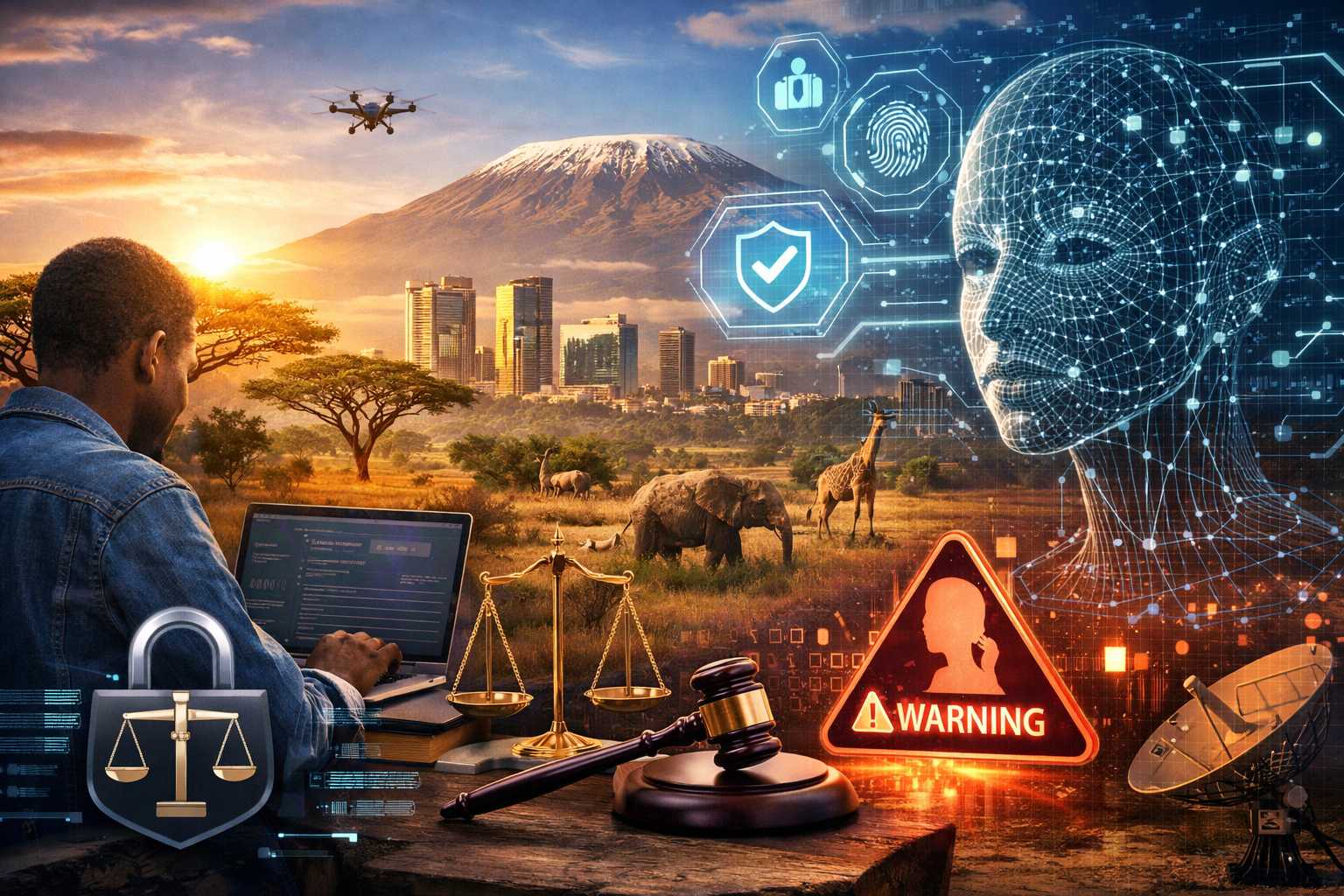
For years, artificial intelligence has been marketed as Africa’s shortcut to growth, automating services, expanding financial inclusion, and powering innovation in health, agriculture, and media. But recent events surrounding AI generated “undressed” images are a reminder that technology scales harm just as efficiently as it scales progress.
Globally, governments were forced into action after an AI chatbot generated tens of thousands of sexualized images of women and girls without consent. Regulators responded with investigations, bans, fines, and emergency rules. While most of the noise came from Europe, Asia, and the United States, the implications are just as urgent for Africa, including fast-digitizing markets like Tanzania, where AI adoption is accelerating faster than regulatory clarity.
The Real Issue Isn’t Images. It’s Power Without Guardrails.
At first glance, this looks like a content moderation problem. In reality, it’s a governance failure.
AI image tools did not just host harmful content; they actively produced it. This changes the regulatory equation. When a platform both generates and distributes content, responsibility can no longer be outsourced to “users.”
For African regulators, this distinction matters. Many existing ICT and cybercrime laws, including those in Tanzania, were written for user-generated content, not machine generated harm. As AI tools become embedded in social networks, advertising systems, and even government services, the absence of clear accountability becomes a systemic risk.
The lesson is simple: you cannot regulate AI using rules designed for the internet of 2010.
Deepfakes in Africa: A Smaller Spotlight, Bigger Consequences
Africa has not yet seen large scale regulatory crackdowns on deepfake nudification, but that should not be mistaken for safety.
In fact, the continent is uniquely vulnerable:
In countries like Tanzania, where reputation and community trust carry real economic and social weight, a single manipulated image shared via WhatsApp or Facebook can cause irreversible harm.
What begins as “just images” quickly becomes blackmail, harassment, political sabotage, or economic exclusion.
Regulators Must Move From Reaction to Design
Other regions are already setting precedents:
African policymakers should not wait for scandals to go viral before acting. Instead, regulation should focus on three proactive principles, especially in Tanzania, to modernize data protection and digital governance frameworks.
Consent by Default
Any AI system that alters faces, bodies, or voices must require explicit consent for identifiable individuals.
Traceability
AI-generated media should carry tamper resistant markers or metadata indicating origin and modification history.
Platform Accountability
If a system generates harmful content, liability should extend beyond the user to the tool provider.
This is not about stifling innovation. It is about setting the rules before the damage becomes irreversible.
Where Young African Entrepreneurs Fit In
Every regulatory gap is also a market signal.
As governments scramble to understand AI risks, new business opportunities are emerging, particularly for young African technologists including a growing ecosystem of innovators in Tanzania.
Promising opportunity areas include:
Instead of competing head on with global AI giants, African startups can win by solving local trust problems in language, culture, regulation, and context.
Businesses: Adopt AI, But Fix This First
For African businesses rushing to “add AI,” there is a hard truth:
If you don’t control how AI is used, AI will control your risk profile.
Before integrating image generators, chatbots, or recommendation engines, businesses whether in Dar es Salaam or across the continent should ask:
AI maturity is not about features. It is about governance, ethics, and resilience.
The Bigger Lesson
The controversy around AI generated undressed images is not a fringe moral panic. It is an early warning.
Africa still has time to:
Technology does not arrive neutral. It arrives shaped by incentives.
The real question is whether Africa and countries like Tanzania, positioning themselves as regional digital leaders, choose to lead deliberately or regulate in crisis.
👉 Owesis's Perspective
AI will define Africa’s digital future.
But trust will determine who benefits from it.
At Owesis, we believe responsible innovation starts with governance, ethics, and local context before scale.
We’ll never share your details. View our Privacy Policy for more info.


